
What does a sleep study test, and why does the type change the price?
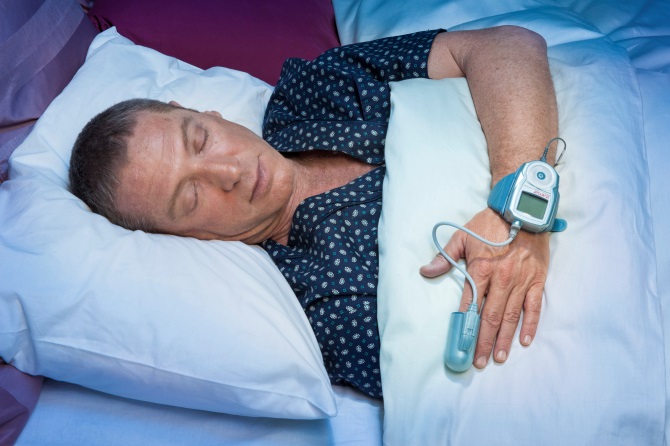
A sleep study measures breathing, oxygen levels, heart rate, body movement, and sleep stages to diagnose conditions like obstructive sleep apnoea. Cost changes because home studies use fewer sensors and less staff time, while in-lab studies involve overnight monitoring, specialised equipment, and technician scoring.
The Perth sleep study cost can increase as more channels are recorded and additional clinician time is required to review and interpret the results.
How much does a public sleep study cost in Perth?
A public sleep study can be low-cost or $0 for eligible patients through Medicare-funded public hospitals and clinics. The trade-off is usually longer wait times and stricter referral criteria.
Even in public pathways, they may still face costs for GP appointments, transport, or follow-up items that are not fully covered. Availability can vary by hospital catchment and clinical urgency.
What wait times should they expect in the public system?
Public wait times commonly range from weeks to months, and can extend longer if demand is high or symptoms are not triaged as urgent. People with safety-critical risks, severe oxygen drops, or significant daytime sleepiness may be prioritised.
If they need a diagnosis quickly for work, surgery clearance, or driving safety concerns, public timelines may not fit their situation.
How much does a private sleep study cost in Perth?
Private pricing typically falls into two buckets: home sleep tests and in-lab polysomnography (PSG). In Perth, a home test is often $250–$700 after rebates where applicable, while an in-lab PSG is commonly $1,500–$3,500+ depending on the facility and bundled services.
Some providers quote a low test fee but add separate charges for specialist interpretation or follow-up.
What is the typical cost difference between a home sleep test and an in-lab study?
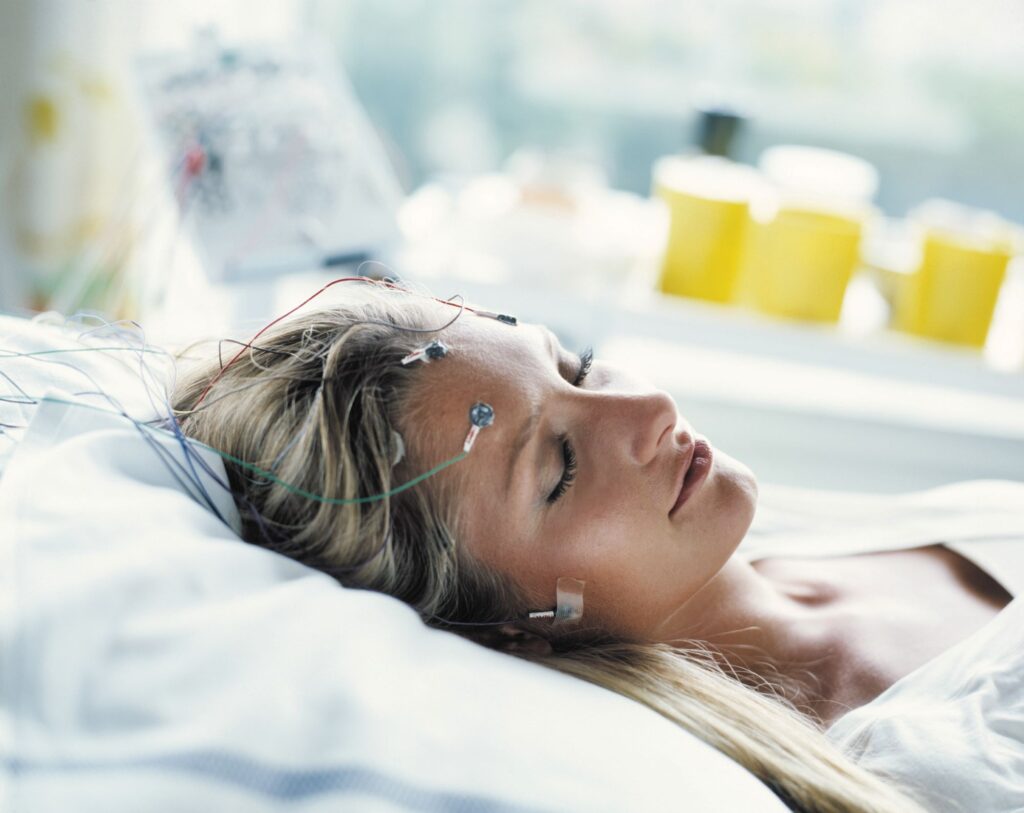
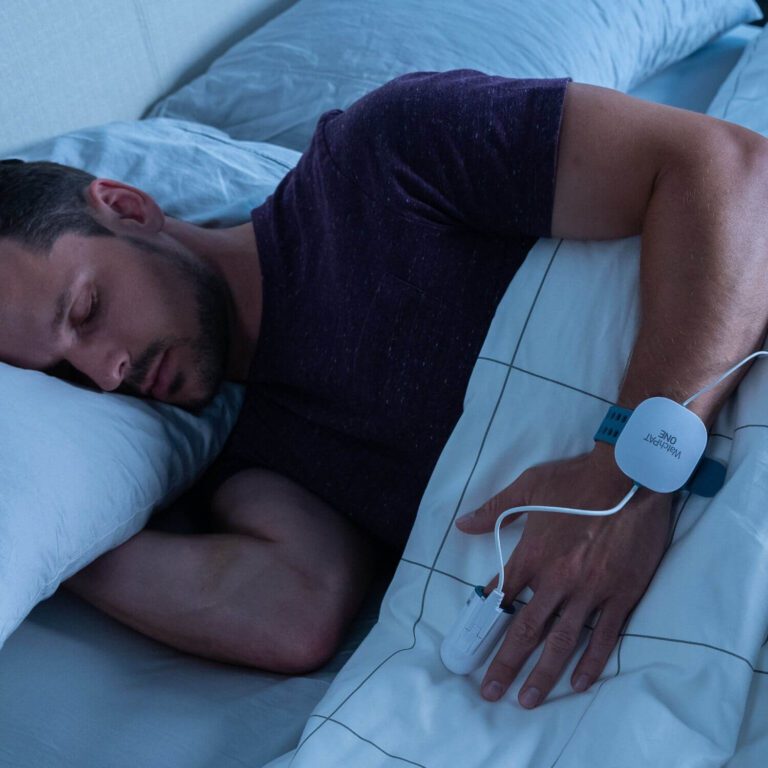
Home sleep tests are usually cheaper because they focus mainly on breathing and oxygen patterns rather than full sleep staging. In-lab studies cost more because they can capture brain waves (EEG), leg movements, and detailed sleep architecture.
As a rough guide in Perth, they might see hundreds for home testing versus thousands for in-lab PSG, especially when multiple nights or complex scoring is involved.
What do private quotes usually include, and what extras should they check?
A private quote may include the device, instructions, scoring, and a report, but inclusions vary a lot. They should confirm whether the price covers specialist review, copy of raw data, follow-up appointment, and CPAP trial support if apnoea is found.
Common add-ons include second-night testing, expedited reporting, or extra sensors for complex cases.
Can they get Medicare rebates for private sleep studies in Perth?
Many patients can access Medicare rebates for eligible sleep studies when the referral, indications, and provider billing meet requirements. Rebates can reduce out-of-pocket costs, but they rarely make private testing “free.”
They should ask the clinic whether the test is billed under Medicare, what item numbers apply in their case, and what gap payment remains after the rebate.
Do private health insurance policies reduce the cost?
Private health insurance may help if the study is done as an admitted hospital service or in a facility that bills through health funds, but many sleep studies are billed as outpatient services where the policy provides limited help.
They should confirm with their insurer whether sleep studies, hospital excess, and anaesthetist or technician fees apply, because coverage can be partial and policy-specific.
Which option is cheaper overall once treatment costs are considered?
A “cheaper” test can become expensive if it delays effective treatment or requires repeat testing. If a home study is inconclusive and they later need an in-lab PSG, the total spend can exceed doing the right test first.
On the other hand, if symptoms strongly suggest uncomplicated obstructive sleep apnoea, a quality home study plus a clear care plan may be the most cost-effective pathway. Click here to get about sleep test Brisbane: what first-time patients should know.
When is a public pathway the better choice?
Public is often the better choice when they can wait, their symptoms are stable, and they want to minimise out-of-pocket costs. It can also suit people with complex medical histories who benefit from integrated hospital-based services.
They should still plan for time, follow-up logistics, and the possibility that triage determines testing type and timing.
When is private the better choice?
Private is usually better when they need speed, flexible appointment times, or a specific type of study. It also suits those who want faster specialist review, quicker CPAP commencement, or employer and safety-related clearance.
The key is ensuring the private service is clinically appropriate and not just convenient.
What questions should they ask a Perth clinic before booking?
They should ask for a written quote and clarify the full pathway from test to treatment. A few practical questions usually prevent surprise costs.
- What study type is recommended and why: home test or in-lab PSG?
- What is the total out-of-pocket cost after Medicare rebates?
- Does the fee include specialist interpretation and a follow-up appointment?
- How long until results are available?
- What happens if the test is inconclusive: is there a discounted repeat or upgrade?
- If CPAP is recommended, is there a trial, rental, or purchase option and what does it cost?
How can they reduce out-of-pocket costs without compromising care?
They can start by getting the right referral and confirming Medicare eligibility before committing to private testing. Comparing multiple clinics, asking for itemised quotes, and checking whether the fee includes follow-up can also reduce total spend.
If finances are tight, they can ask about payment plans, public waitlist options, or whether a home study is clinically suitable before paying for an in-lab night.
What is the simplest public vs private cost comparison they can use?
Public is usually the lowest direct cost but the slowest route, while private is faster with higher out-of-pocket fees. For many in Perth, the practical decision is whether time or budget is the constraint.
Quick cheat sheet:
- Public: often $0/low-cost, longer waits, less control over timing.
- Private home test: often $250–$700 out-of-pocket depending on rebates and inclusions.
- Private in-lab PSG: often $1,500–$3,500+, best for complex cases or when detailed monitoring is needed.
FAQs (Frequently Asked Questions)
How much does a sleep study cost in Perth through the public system?
A public sleep study in Perth can be low-cost or even free ($0) for eligible patients via Medicare-funded public hospitals and clinics. However, patients should expect longer wait times and stricter referral criteria. Additional costs may apply for GP appointments, transport, or follow-up items not fully covered.
What factors influence the cost difference between home sleep tests and in-lab polysomnography (PSG) in Perth?
Home sleep tests are generally cheaper ($250–$700 after rebates) because they use fewer sensors and focus mainly on breathing and oxygen patterns. In contrast, in-lab PSG studies are more comprehensive, capturing brain waves, leg movements, and detailed sleep architecture, which increases costs to typically $1,500–$3,500+ depending on the facility and services included.
Are Medicare rebates available for private sleep studies in Perth?
Yes, many patients can access Medicare rebates for eligible private sleep studies if the referral, clinical indications, and provider billing meet Medicare requirements. While rebates reduce out-of-pocket expenses, private testing rarely becomes completely free. It’s important to confirm with the clinic about item numbers used and any remaining gap payments after the rebate.
When should someone consider choosing a private sleep study over a public one in Perth?
Private sleep studies are preferable when quick diagnosis is needed due to work requirements, surgery clearance, or driving safety concerns. They also suit individuals seeking flexible appointment times, faster specialist reviews, quicker CPAP commencement, or specific types of studies not readily available publicly. Ensuring clinical appropriateness is essential before opting for private services.
What should patients ask a Perth sleep clinic before booking a sleep study to avoid unexpected costs?
Patients should request a written quote detailing total out-of-pocket costs after Medicare rebates. Key questions include: recommended study type (home test vs in-lab PSG), inclusion of specialist interpretation and follow-up appointments, expected result turnaround time, policies if tests are inconclusive (e.g., discounted repeats), and CPAP trial or purchase options along with associated costs.
How can patients minimize out-of-pocket expenses without compromising care quality when undergoing sleep studies in Perth?
To reduce costs while ensuring effective care, patients should obtain proper referrals confirming Medicare eligibility before opting for private testing. Comparing multiple providers for pricing and service inclusions helps identify the best value option. Additionally, starting with the most clinically appropriate test reduces chances of repeat testing and delays in treatment initiation.